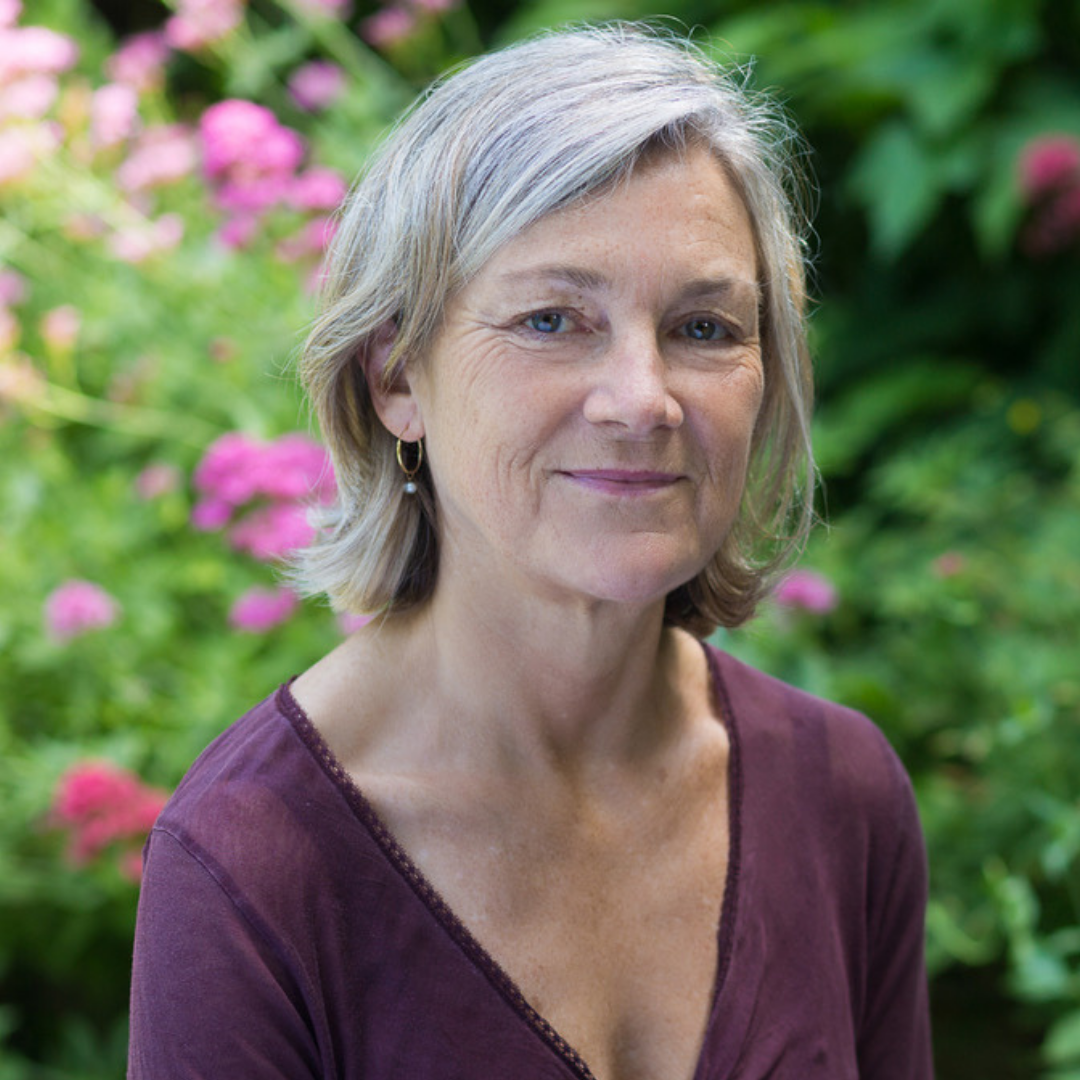
Anne Gallagher          (Northern Ireland)Anne Gallagher (Northern Ireland) Alistair Little (Northern Ireland)Alistair Little (Northern Ireland) Christo Brand & Vusumzi Mcongo (South Africa)Christo Brand & Vusumzi Mcongo (South Africa) Francis & Berthe Climbié (England)Francis & Berthe Climbié (England) Denise Green (England)Denise Green (England) Duma Kumalo (South Africa)Duma Kumalo (South Africa) Desmond Tutu (South Africa)Desmond Tutu (South Africa) David (England)David (England) Gertrude Moyana & Sarah Letanta (South Africa)Gertrude Moyana & Sarah Letanta (South Africa) Camilla Carr & Jon James (England)Camilla Carr & Jon James (England) Charlotte Maude (England)Charlotte Maude (England) Vladimir Khodosok (Ukraine)Vladimir Khodosok (Ukraine) Linda Biehl & Easy Nofemela (South Africa)Linda Biehl & Easy Nofemela (South Africa) Leatitia (South Africa)Leatitia (South Africa) Michael Lapsley (South Africa)Michael Lapsley (South Africa) Margaret McKinney (Northern Ireland)Margaret McKinney (Northern Ireland) Marian Partington (England)Marian Partington (England) Mariane Pearl (Pakistan)Mariane Pearl (Pakistan) Michael Watson (England)Michael Watson (England) Peter Tatchell (England)Peter Tatchell (England) Violeta and Petrica Danut Chereches (Romania)Violeta and Petrica Danut Chereches (Romania) Jo Berry & Pat Magee (England)Jo Berry & Pat Magee (England) Ghazi Briegeith & Rami Elhanan (Israel)Ghazi Briegeith & Rami Elhanan (Israel) Salimata Badji-Knight (Senegal)Salimata Badji-Knight (Senegal) Tom Tate (England)Tom Tate (England) Joan van Blerk & Collin Ketshabile (South Africa)Joan van Blerk & Collin Ketshabile (South Africa) Martin Snodden (Northern Ireland)Martin Snodden (Northern Ireland) Eric Lomax (Scotland)Eric Lomax (Scotland) Andrew Rice (USA)Andrew Rice (USA) Robi Damelin (Israel)Robi Damelin (Israel) Susan (England)Susan (England) John Carter (England)John Carter (England) Mary Blewitt (Rwanda)Mary Blewitt (Rwanda) Odongtoo Jimmy (Uganda)Odongtoo Jimmy (Uganda) Celia McWee (USA)Celia McWee (USA) Penny Beernsten (USA)Penny Beernsten (USA) Bud Welch (USA)Bud Welch (USA) Azim Khamisa & Ples Felix (USA)Azim Khamisa & Ples Felix (USA) Tom Mauser (USA)Tom Mauser (USA) Mwalimu Johnson (USA)Mwalimu Johnson (USA) Katy Hutchison & Ryan Aldridge (Canada)Katy Hutchison & Ryan Aldridge (Canada) Aqeela Sherrills & Calvin Hodges (USA)Aqeela Sherrills & Calvin Hodges (USA) Marie Fatayi-Williams (England)Marie Fatayi-Williams (England) Khaled al-Berry (Egypt)Khaled al-Berry (Egypt) Ginn Fourie & Letlapa Mphahlele (South Africa)Ginn Fourie & Letlapa Mphahlele (South Africa) Richard Levy (England)Richard Levy (England) Eva Kor (Poland)Eva Kor (Poland) Sue Hanisch (England)Sue Hanisch (England) Phyllis Rodriguez & Aicha el-Wafi (USA)Phyllis Rodriguez & Aicha el-Wafi (USA) Gertrude Levi (Hungary)Gertrude Levi (Hungary) Simon Wilson (England)Simon Wilson (England) Gill Hicks (England)Gill Hicks (England) Richard McCann (England)Richard McCann (England) Anne Marie Hagan (Canada)Anne Marie Hagan (Canada) Anna (England)Anna (England) Debbie McLeland (USA)Debbie McLeland (USA) Linda Apo & Marilyn Vierra (Hawaii, USA)Linda Apo & Marilyn Vierra (Hawaii, USA) Julie Chimes (England)Julie Chimes (England) Rebecca DeMauro (USA)Rebecca DeMauro (USA) Norman Kember (Iraq)Norman Kember (Iraq) Rosalyn Boyce (England)Rosalyn Boyce (England) Jean-Baptiste Ntakirutimana (Rwanda)Jean-Baptiste Ntakirutimana (Rwanda) Kemal Pervanic (Bosnia)Kemal Pervanic (Bosnia) Peter Woolf & Will Riley (England)Peter Woolf & Will Riley (England) Mary Foley (England)Mary Foley (England) Magdeline Makola (Scotland)Magdeline Makola (Scotland) Barry & Margaret Mizen (England)Barry & Margaret Mizen (England) Terry Caffey (USA)Terry Caffey (USA) Yulie Cohen (Israel)Yulie Cohen (Israel) Natalia AggianoNatalia Aggiano Shannon Moroney (Canada)Shannon Moroney (Canada)

Read more stories about forgiveness contributed by visitors to this website

Simon Wilson (England)
“It was an acceptance really - not just that this is the way things are, but that this is the way things should be.”

Simon Wilson (England)

In 1992, Simon Wilson, was the victim of a hit and run car crash in rural Norfolk which left him chronically disabled. The driver was never caught but Simon’s experience led him to train for ordained ministry. He is a Public Preacher and co-ordinates RoadPeace in East Anglia - a national organisation working with people injured or bereaved through road crashes. He is also Chaplain to Norfolk Constabulary and Fire Service.

For me forgiveness has been about making sense of what happened to me. I was 25, living with my parents and doing temporary work when early one morning I was the victim of a hit and run accident. The car came from nowhere, cut across me and forced me into the ditch. The next thing that I knew was that I was in intensive care having undergone major emergency surgery. I had a ruptured spleen, punctured lung and other severe internal injuries. The driver was never found but apparently someone rung the hospital asking if a person had been brought in from a car crash. I don’t think they wanted a fatality on their conscience.

I was in hospital for three months and in the following years had 12 more operations. In one year alone I spent a hundred nights in hospital. Then, four years ago, I was told that my condition was incurable and that the prognosis was not good. In a way that was almost liberating because up until then I’d always thought I could fix it.

Initially after the crash, I was very angry and because I didn’t know who to direct this anger at. I became quite paranoid, wondering if someone in my village had been out to get me. I wanted the person who’d done this to me to be suffering like I was. I’d never been someone to get easily angry and it was scary feeling this way. I became difficult to be around. But I knew I had to work though it - find some sort of forgiveness so that I could bring closure to the situation.

Being in hospital or ill at home, day after day, you’re living with yourself and you have to face a lot of things: so increasingly I spent a long time in deep reflection, and went through what might be described as a rite of passage. Eventually I came a point when I wasn’t angry with the person who had done this to me anymore. It was a bit of an epiphany I suppose. From that time on - when things began to make sense, when the hurt and bitterness had died down – that’s when I found myself in a place of forgiveness. It was an acceptance really – not just that this is the way things are, but that this is the way things should be.

In a spiritual sense I felt I’d been saved for something and as I became more vulnerable my faith became more important. I wish the accident hadn’t happened, but it made me much stronger than I was before. I also met my wife when we were both training for ordination.

Forgiveness is something you have to do every day and it’s something that you have to keep doing because anything can trigger that anger again. I’m not angry that the driver wasn’t locked up, but sometimes I do feel angry that they just drove off without checking to see if I was alive or dead.

One thing I find difficult is that in church I’ve heard sermons about forgiveness and thought ‘who are you to tell me to forgive?’ It can sound so easy but it’s the hardest thing in the world. Some people within the church believe you can’t forgive unless the other person repents but to me repentance isn’t a condition of forgiveness because ultimately forgiveness comes from within. Only I know whether I forgive or not.

In my work with RoadPeace most of the victims or bereaved families I see say they would like to forgive but can’t. However they do eventually reach a place of ease and move beyond anger. Sometimes people tell me that the person who caused the accident hasn’t been punished enough. I understand where they’re coming from but I always say ‘what’s enough? No one will ever be punished enough.’ Occasionally people really don’t want to forgive and I find that sad because I’m in no doubt that not forgiving is detrimental. Bitterness builds up and spreads out to other people: marriages break up, people fall ill or lose their jobs. I think everyone has the capacity to forgive but they sometimes need help finding those inner resources.

Some people think I’m being pious telling people to forgive but actually I don’t tell anyone to do anything, I simply tell people that the place I’ve reached is a better place than the place I was at before.
Related Organisation:

RoadPeace