
Photo: Lejla Damon
Photo: Lejla Damon
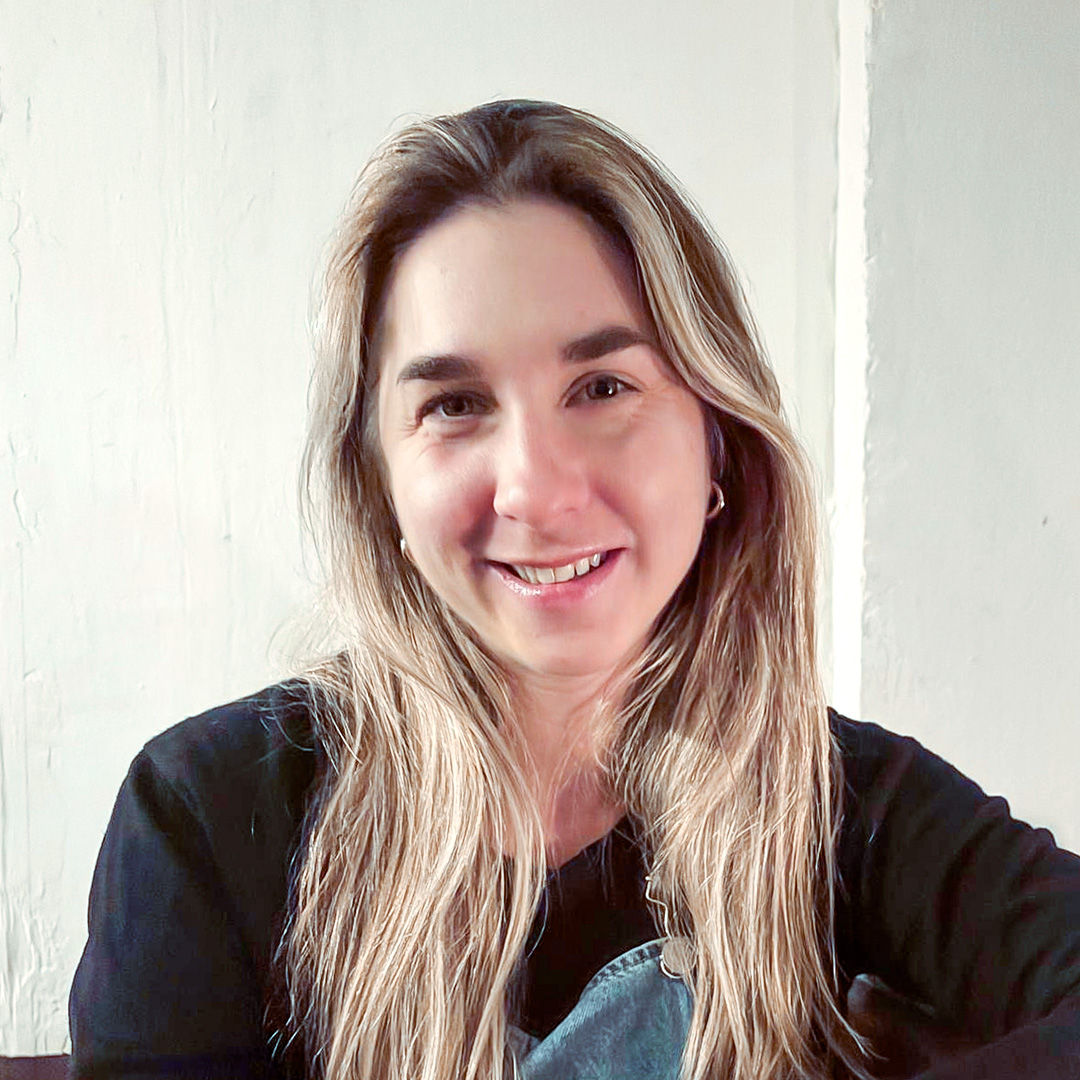
Lejla Damon
Born amid the brutality of the Balkan conflicts of the 1990s, Lejla Damon was one of many children conceived through wartime sexual violence. Rescued from a war zone as a baby by her adoptive parents she grew up in the UK.
I learnt that I was adopted at the age of seven. I was in an IT class at school and had to create an “about me” slide. I knew I’d been born on Christmas Day in 1992, but had no idea where or at which hospital. This spurred me to ask questions of my parents when I got home to fill in the blanks. And that’s when I first found out that I was adopted. My mum told me it meant she didn’t give birth to me, but I had come from a place called Sarajevo where there had been a war going on. She said, ‘Your real biological mother couldn’t look after you and so we decided to adopt you.’
As I grew older, in early adolescence, I discovered my biological mother’s name on my birth certificate. My parents then gave me a file and explained in detail how as journalists they had been reporting on the wars in Bosnia. It was Christmas Day and they’d been filming in the hospital in Sarajevo when they’d interviewed my biological mother who had just given birth to me.
The point of their story was to highlight the tragedy of sexual violence but also to show how the children born out of it were being abandoned and stigmatised, especially when their mothers didn’t want to take them home. And I was shown the actual Sky News video in which my birth mother referenced that she wanted to strangle me because she feared I would turn out like the men who had raped her. Apparently, that was when my adoptive parents decided they wanted to help. I would definitely have ended up in an orphanage if hadn’t been for them. My parents knew about the terrible state of these orphanages, and that children were gravely at risk depending on their nationality.
I found out that my biological mother was a Bosnian Muslim living on the outskirts of Sarajevo. During the war she’d been rounded up with a lot of other women and held in a school by Serb men – people she knew and had grown up with. These men repeatedly abused and raped the women in order to impregnate them with a Serb child. The purpose was to cause shame and humiliation. It was ethnic cleansing, with sexual violence being used as a weapon of war. When eventually they let my mother go at seven months it was only because they knew that by now she wouldn’t be able to have an abortion.
The moment I was told about my origin story I felt different from all the other children in my school. Although initially at seven I didn’t understand the gravity of what had happened, I did understand the idea of not being wanted. Although my adoptive parents gave me unconditional love, there was this constant feeling of not fitting in. I had so little self-worth, and then obviously when I found out officially that I was a child born out of sexual violence, that was incredibly painful. I felt angry towards my birth mother and still to this day, watching that video where she says, ‘If I held that baby I’d strangle her,’ it cuts through me like a razor.
When I was about 20 my parents helped me find her through the Bosnian Embassy in London. We started out with letter contact and then eventually a meeting was arranged near her home in Sarajevo. I went with my birth parents who luckily arranged for all three of us to see a psychologist first. This was about managing my expectations and also I was very conscious of how my birth mother might feel; would I remind her of the men who had raped her.
So, in 2012, we all went to Bosnia to visit my birth mother. I remember being the last one to enter her flat and taking off my shoes at the door. Then I looked at her and she looked at me, and we both started crying. It was so very moving, and the start of something amazing. It was also amazing that my adoptive parents were completely OK with me meeting this person who would become so important in my life. I also met my half-sister, who is six years younger than me and born out of a consensual, peace-time relationship. It was a really emotional experience. After that I very quickly was able to forgive my birth mother for abandoning me and in the end realised there was in fact nothing to forgive. Ultimately every action she had taken since giving me up for adoption came from love.
We’ve since managed to build a very solid relationship where we can both love each other, as well as both recognise what we’ve each been through as individuals. She knows that whenever I come to Bosnia, I’ll immediately come to see her. The last time I went back, I noticed in her hallway there was a picture of her with me and my half-sister. As someone who has always struggled with self-worth, it was absolutely huge for me to see that she’d put a picture of me up there. It proved an amazing step forward.
I will never know the identity of my biological father because it wasn’t just one man who raped my birth mother: it was multiple men, multiple times, over the course of multiple months. In terms of could I ever forgive what these men did, it’s really challenging for me to even find compassion for them. And therefore, really challenging in terms of forgiveness, because there’s been very little justice and accountability when it comes to all the men who perpetrated sexual violence in Bosnia.
I have done a lot of work on myself to know that it’s not my fault and that the perpetrator has not passed any part of his badness onto me.
My adoptive father is a vicar, and we’ve had a lot of conversations about what it means to forgive. For me it means to have a life that is free of shame, a life that has a level of comfort and joy, and which allows me to accept love and feel I deserve it. I spent many years living with shame and stigma and going through levels of hate and anger towards these men. But it doesn’t help to be angry or to hate someone. You have to let it go.
Forgiveness requires confronting things to be able to accept what has happened and work through it. It’s not about forgetting or letting people off the hook. Rather at its core, forgiveness is about acknowledging our shared humanity and recognising that we’re all capable of making mistakes and bad choices.
Today, Lejla lives in Manchester and advocates for the rights and recognition of children born from conflict-related sexual violence.