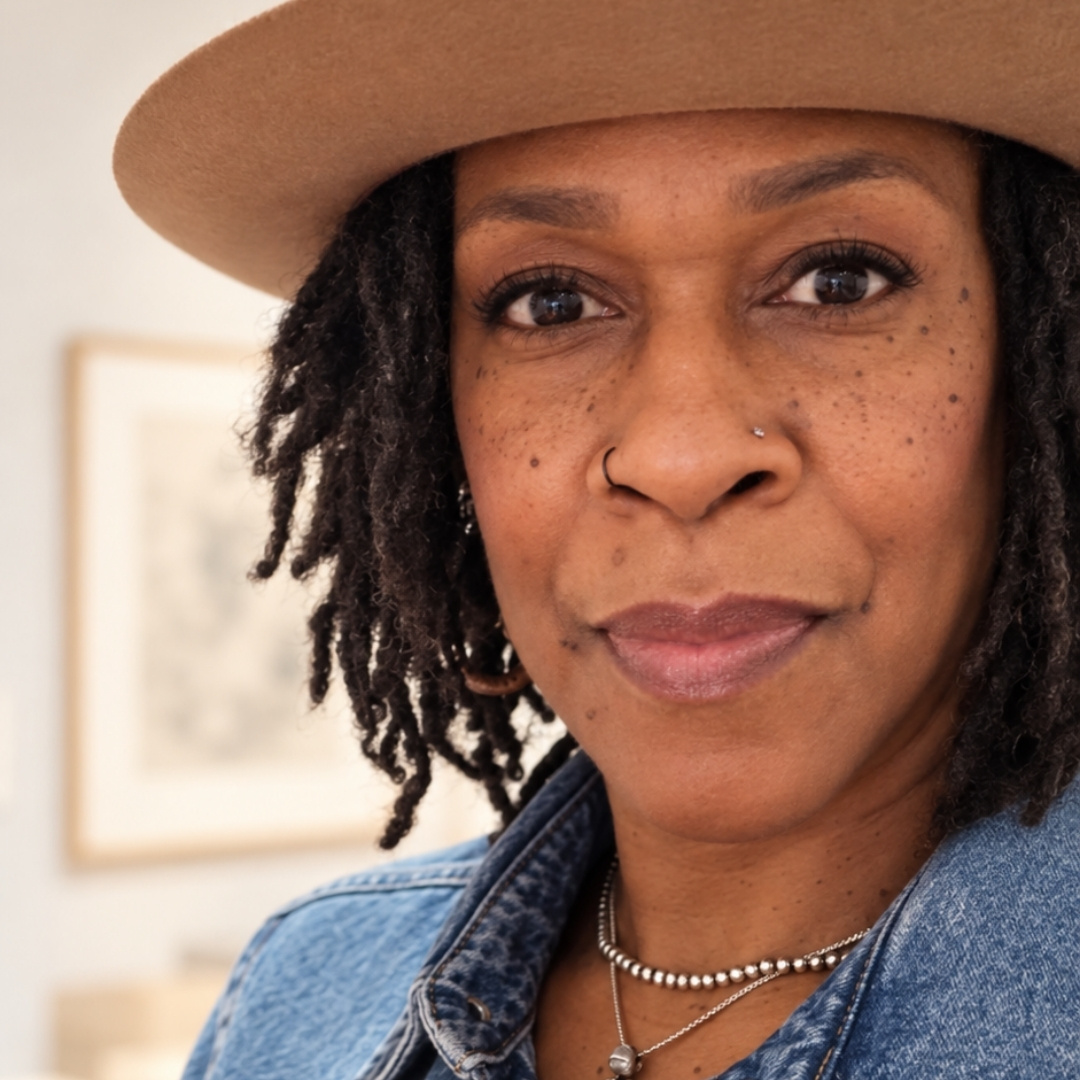
Photography by Brian Moody
In 1985 Penny Beerntsen was brutally beaten and sexually assaulted in a state park in Wisconsin. Soon afterwards, Steven Avery was convicted of the crime. Eighteen years later, however, advances in DNA testing revealed that he had been innocent all along.
A couple of years after the attack I remember saying to my therapist that although I felt my assailant needed to be in prison, I was struggling with the knowledge that he’d left five children behind. She didn’t understand this; like most people her attitude was, “you should want to kill the son of a bitch”.
It happened in a beautiful place. I was out jogging when a man grabbed me from behind and pushed me into a wooded area. When I screamed, he choked my windpipe; when I fought back as he tried to rape me, he began beating and strangling me. Finally I lost consciousness. My last thoughts were: “I wish I’d kissed my son goodbye this morning” and “my daughter’s last vision of me will be of my dead, beaten body”.
Two good Samaritans found me, bleeding and naked in the sand dunes. In the emergency room in the hospital I gave a description of my rapist to the police. I asked the sheriff if he had a suspect in mind and he said, “Yes”. I found out later that this was Steven Avery, who was out on bail for sticking a rifle in the face of a deputy sheriff’s wife.
Later they put nine photos by my bedside. I presumed the suspect was among them. Steve’s photo was in there and I selected it. That night he was arrested and held without bail.
At the live line-up I looked at eight men and again picked out Steve Avery. I had selected his photo, and his image had become enmeshed with my memory of the real assailant. In my mind, Steve was the only person in those photos and in that line-up. As it turned out, my actual assailant was in neither.
The case went to trial in December 1985 and, despite 14 alibi witnesses, Steve Avery was found guilty of first degree sexual assault, attempted first degree murder and false imprisonment. When he received his 32-year sentence, I was relieved: a violent man was now off the streets.
After the assault I went into a deep depression. I felt I’d disrupted the lives of my husband and children, and I shut down emotionally. Then one day I read about a young woman, ten years younger than me, who had gone out jogging and been murdered. As I heard how her strangled body had been found in a swamp, I realized that I’d been given a second chance, whereas she had not.
At about the same time I heard a talk on Restorative Justice by a man called Dr. Mark Umbreit. He talked about how liberating it can be for victims to let go of their anger and hatred, and suddenly I felt a huge weight lift. At the next break I headed out to the state park where the assault had taken place. For the first time I wasn’t afraid.
I trained to be a mediator in juvenile crimes, and subsequently started speaking in prisons on victim impact panels, usually to men who had committed very violent crimes. I thought I might be able to help them feel empathy toward their victims. What I didn’t realize was how much of my own healing would come through these men. Many had grown up in horrendous circumstances, and I came to see them as human beings with mothers, wives and children.
Then, in 2001, Steve’s attorney contacted The Wisconsin Innocence Project, who agreed to help with his case. A year later there was a motion to release additional biological materials for DNA testing. Two hairs were tested: one was identified as mine, and the other belonged to someone else – but that someone was not Steve Avery. In the CODIS database they got a direct hit with a man named Gregory Allen, who in 1995 had brutally raped a woman in Green Bay, Wisconsin, and was subsequently serving a 60-year sentence. Gregory Allen looks very much like Steve Avery.
When my attorney told me that the judge had reversed the verdict, I wanted the earth to swallow me. After all, I was partly responsible for identifying the wrong man, and no one can give Steve back those lost years. Not a day goes by when I don’t think about the woman Gregory Allen raped in 1995 or wonder how many other women’s lives were drastically altered in those years when he was walking free.
I sunk into another deep depression and feeling utterly powerless, wrote Steve a heartfelt apology letter. In it I stated that I felt like an offender and offered to meet with him. I’m so grateful that he agreed.
Steve is a very quiet man, but he gave me a hearty handshake and I told him how terribly sorry I was. After a bit, I asked if his parents would like to come in so I could apologize to them too. He said his mother would be OK but that his father was still kind of bitter. But in the end both of them agreed to meet me.
When it was time to conclude the meeting I stood up and went over to Steve and said, “is it alright if I give you a hug?” He didn’t even answer but just grabbed me in a big bear hug. Then I whispered, “Steve, I’m so sorry”. And he said, “Don’t worry, Penny; it’s over”.
That was the most grace-filled thing that’s ever been said to me, because of course it isn’t over for him. I was totally overwhelmed. He didn’t use the word ‘forgiveness’, but I think his generosity of spirit has allowed me to start moving forward.
When Steve and I met, it occurred to me that our handshake was the first physical contact we’d ever had, yet our lives have been intertwined for nearly two decades. Since the exoneration it sometimes feels as if I’m living in some parallel universe where the usual rules no longer apply. I’m still struggling.
Since collecting Penny’s story there has been a new development that has occurred in the US with regards to Steven Avery, the man found innocent of sexually assaulting and battering Penny Beernsten in 1985. Steve Avery was sentenced to life without parole in 2007 for the murder of Teresa Halbach, a young woman who lived in his community.